Day 2: Constitutional Law – Fundamentals of the State System of Ukraine
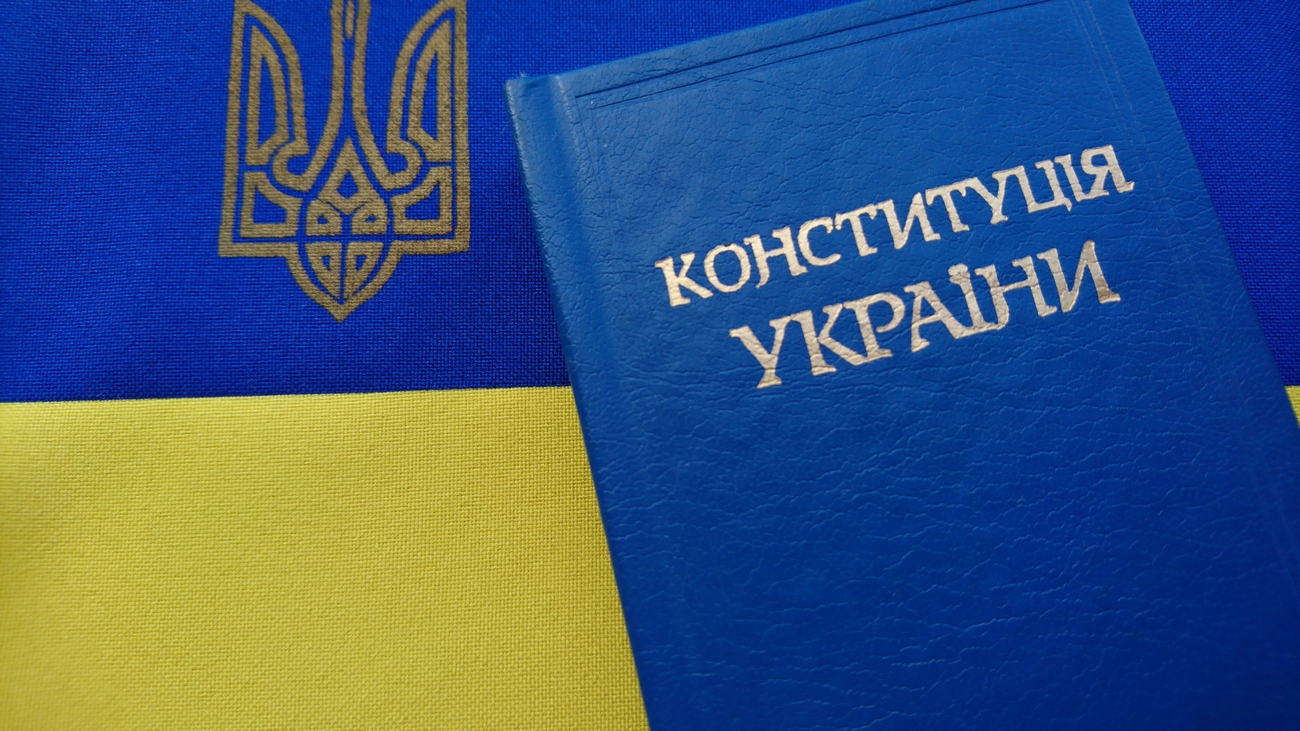 The second day of the law course was dedicated to Ukrainian constitutional law. Students learned about the fundamentals of the country’s state system, the principles of the Constitution, and the structure of government authorities. The day combined theoretical knowledge with interactive discussions, helping participants better understand the importance and functioning of the Constitution.
Guest Speakers of the Day:
-
Olena Ivanivna, Doctor of Law, Professor of the Constitutional Law Department, author of numerous articles and monographs on constitutional law.
-
Oleksandr Mykolayovych, Judge and representative of the Constitutional Court of Ukraine, who shared practical experience in interpreting and applying the provisions of the Constitution.
Key Points of the Lecture:
Concept of Constitutional Law
Olena Ivanivna explained the nature of constitutional law, its features, and its role in Ukraine’s legal system. She emphasized that the Constitution is the supreme law of the state, defining the principles of state organization, citizens’ rights and freedoms, and the relationship between the state and individuals.
Structure of the Constitution of Ukraine
Students learned that the Constitution consists of a preamble and 15 sections, each covering key aspects of the state system, from human rights and freedoms to the organization of government authorities.
Principles of the Constitution
The lecture examined the main principles of the Constitution, with particular focus on the rule of law, separation of powers, and protection of human rights. Olena Ivanivna explained why the separation of powers is crucial to prevent abuse and concentration of authority in the hands of a single person or institution.
Citizens’ Rights and Freedoms
Students reviewed the constitutional chapter defining fundamental rights and freedoms, such as the right to life, liberty, personal inviolability, freedom of speech, and freedom of expression.
Government Authorities
Special attention was given to the structure of Ukraine’s government authorities. Students learned about the functions of the Verkhovna Rada (Parliament), the President, the Cabinet of Ministers, the judicial system, and the Constitutional Court. Oleksandr Mykolayovych explained how the Constitutional Court interprets constitutional norms, especially in resolving disputes between branches of government.
Student Questions:
-
What changes can be made to the Constitution of Ukraine, and how?
Olena Ivanivna explained that changes require a special procedure, including approval by a qualified majority in Parliament or through a national referendum. This ensures the Constitution’s stability, as it forms the foundation of the legal system. -
Is it possible to abuse the principle of separation of powers?
Oleksandr Mykolayovych noted that while separation of powers is fundamental to a democratic state, political instability or concentration of power in certain political groups can lead to violations. He added that the Constitutional Court is a key tool for protecting these principles. -
How does the Constitution protect minority rights in Ukraine?
Olena Ivanivna explained that the Constitution guarantees not only basic rights but also mechanisms to protect national minorities, including the right to use their native language and participate in political life. -
What happens if government authorities violate the Constitution?
Oleksandr Mykolayovych emphasized that responsible authorities can be held accountable, and violations may lead to cases being brought before the Constitutional Court. The Constitution is the supreme law, and its violation can have serious legal consequences. -
Why is the Constitution important for young people?
Olena Ivanivna stated that the Constitution defines fundamental rights and freedoms for every citizen, including education, employment, and protection from discrimination. Knowledge of the Constitution helps young people understand their rights and responsibilities in society.
Practical Part:
After lectures and discussions, students participated in a debate on the Constitution’s role in addressing contemporary issues in Ukraine. They shared thoughts on how the Constitution can help solve problems related to human rights, especially in times of war and economic crisis.
The day was active and informative. Students gained a deep understanding of how the Constitution of Ukraine establishes the foundations of the state system and protects citizens’ rights.
" /> [/if {option-img}=true]The second day of the law course was dedicated to Ukrainian constitutional law. Students learned about the fundamentals of the country’s state system, the principles of the Constitution, and the structure of government authorities. The day combined theoretical knowledge with interactive discussions, helping participants better understand the importance and functioning of the Constitution.
Guest Speakers of the Day:
-
Olena Ivanivna, Doctor of Law, Professor of the Constitutional Law Department, author of numerous articles and monographs on constitutional law.
-
Oleksandr Mykolayovych, Judge and representative of the Constitutional Court of Ukraine, who shared practical experience in interpreting and applying the provisions of the Constitution.
Key Points of the Lecture:
Concept of Constitutional Law
Olena Ivanivna explained the nature of constitutional law, its features, and its role in Ukraine’s legal system. She emphasized that the Constitution is the supreme law of the state, defining the principles of state organization, citizens’ rights and freedoms, and the relationship between the state and individuals.
Structure of the Constitution of Ukraine
Students learned that the Constitution consists of a preamble and 15 sections, each covering key aspects of the state system, from human rights and freedoms to the organization of government authorities.
Principles of the Constitution
The lecture examined the main principles of the Constitution, with particular focus on the rule of law, separation of powers, and protection of human rights. Olena Ivanivna explained why the separation of powers is crucial to prevent abuse and concentration of authority in the hands of a single person or institution.
Citizens’ Rights and Freedoms
Students reviewed the constitutional chapter defining fundamental rights and freedoms, such as the right to life, liberty, personal inviolability, freedom of speech, and freedom of expression.
Government Authorities
Special attention was given to the structure of Ukraine’s government authorities. Students learned about the functions of the Verkhovna Rada (Parliament), the President, the Cabinet of Ministers, the judicial system, and the Constitutional Court. Oleksandr Mykolayovych explained how the Constitutional Court interprets constitutional norms, especially in resolving disputes between branches of government.
Student Questions:
-
What changes can be made to the Constitution of Ukraine, and how?
Olena Ivanivna explained that changes require a special procedure, including approval by a qualified majority in Parliament or through a national referendum. This ensures the Constitution’s stability, as it forms the foundation of the legal system. -
Is it possible to abuse the principle of separation of powers?
Oleksandr Mykolayovych noted that while separation of powers is fundamental to a democratic state, political instability or concentration of power in certain political groups can lead to violations. He added that the Constitutional Court is a key tool for protecting these principles. -
How does the Constitution protect minority rights in Ukraine?
Olena Ivanivna explained that the Constitution guarantees not only basic rights but also mechanisms to protect national minorities, including the right to use their native language and participate in political life. -
What happens if government authorities violate the Constitution?
Oleksandr Mykolayovych emphasized that responsible authorities can be held accountable, and violations may lead to cases being brought before the Constitutional Court. The Constitution is the supreme law, and its violation can have serious legal consequences. -
Why is the Constitution important for young people?
Olena Ivanivna stated that the Constitution defines fundamental rights and freedoms for every citizen, including education, employment, and protection from discrimination. Knowledge of the Constitution helps young people understand their rights and responsibilities in society.
Practical Part:
After lectures and discussions, students participated in a debate on the Constitution’s role in addressing contemporary issues in Ukraine. They shared thoughts on how the Constitution can help solve problems related to human rights, especially in times of war and economic crisis.
The day was active and informative. Students gained a deep understanding of how the Constitution of Ukraine establishes the foundations of the state system and protects citizens’ rights.