Day 3: Administrative Law – Interaction Between the State and Citizens
 The third day of the law course was dedicated to administrative law and the role of the state in regulating relationships between government authorities and citizens. Students examined key aspects of administrative offenses, administrative court procedures, and the importance of respecting citizens’ rights when interacting with state bodies.
Guest Speakers of the Day:
-
Iryna Pavlivna, Doctor of Law, Professor of the Administrative Law Department, author of numerous scholarly works in administrative law.
-
Vladyslav Andriiyovych, Head of the Human Rights Department at the Ministry of Justice of Ukraine, who shared practical experience in protecting citizens’ rights in the field of administrative offenses.
Key Points of the Lecture:
Concept of Administrative Law
Iryna Pavlivna began by defining administrative law as a branch of public law that regulates relationships between the state and citizens in the sphere of administrative activities. She emphasized the importance of this field for maintaining legal order in society.
Administrative Offenses and Liability
The lecturer explained that administrative offenses are violations of established rules of conduct that result in administrative sanctions. Students learned about various types of administrative offenses, including traffic violations, unauthorized use of resources, noise disturbances, and more.
Administrative Court Procedure
An important aspect of the lecture was the administrative court procedure. Iryna Pavlivna explained how administrative cases are considered, who has the right to file claims, and which authorities have the power to resolve administrative cases.
Rights and Obligations of Citizens in Administrative Law
A key topic was the discussion of citizens’ rights and obligations when interacting with the state. The lecturer stressed the importance of knowing one’s rights when contacting government authorities, as well as adhering to administrative norms to avoid violations.
Government Bodies and Their Role in Administrative Law
The functions of government authorities responsible for administrative activities were discussed. Students learned how local governments, state inspections, and other structures ensure compliance with administrative regulations.
Student Questions:
-
What should I do if authorities violate my administrative rights?
Vladyslav Andriiyovych explained that citizens can appeal to an administrative court to protect their rights and also contact higher-level authorities for review of decisions made locally. -
What sanctions are applied for administrative offenses?
Iryna Pavlivna noted that sanctions vary depending on the severity of the violation, including fines, administrative arrest, property confiscation, or other administrative measures. -
How long does it take to resolve an administrative case in court?
Vladyslav Andriiyovych mentioned that administrative cases are generally resolved within 60 days. In complex cases, the court may extend the review period. -
How can I appeal a decision of an administrative body?
Iryna Pavlivna explained that administrative decisions can be appealed to a higher authority, in an administrative court, or through the appeals process if a person believes their rights were violated. -
What should I do if I witness an administrative offense?
Students learned that witnesses can file statements with authorities or law enforcement and may be called to provide testimony in court or before an administrative body.
Practical Part:
After the lecture, students participated in a practical exercise analyzing real cases in administrative law. They examined situations where citizens violated administrative norms and discussed possible legal solutions and sanctions.
This day was highly educational, giving students valuable knowledge about interacting with government authorities and the importance of following administrative laws to ensure public order.
" /> [/if {option-img}=true]The third day of the law course was dedicated to administrative law and the role of the state in regulating relationships between government authorities and citizens. Students examined key aspects of administrative offenses, administrative court procedures, and the importance of respecting citizens’ rights when interacting with state bodies.
Guest Speakers of the Day:
-
Iryna Pavlivna, Doctor of Law, Professor of the Administrative Law Department, author of numerous scholarly works in administrative law.
-
Vladyslav Andriiyovych, Head of the Human Rights Department at the Ministry of Justice of Ukraine, who shared practical experience in protecting citizens’ rights in the field of administrative offenses.
Key Points of the Lecture:
Concept of Administrative Law
Iryna Pavlivna began by defining administrative law as a branch of public law that regulates relationships between the state and citizens in the sphere of administrative activities. She emphasized the importance of this field for maintaining legal order in society.
Administrative Offenses and Liability
The lecturer explained that administrative offenses are violations of established rules of conduct that result in administrative sanctions. Students learned about various types of administrative offenses, including traffic violations, unauthorized use of resources, noise disturbances, and more.
Administrative Court Procedure
An important aspect of the lecture was the administrative court procedure. Iryna Pavlivna explained how administrative cases are considered, who has the right to file claims, and which authorities have the power to resolve administrative cases.
Rights and Obligations of Citizens in Administrative Law
A key topic was the discussion of citizens’ rights and obligations when interacting with the state. The lecturer stressed the importance of knowing one’s rights when contacting government authorities, as well as adhering to administrative norms to avoid violations.
Government Bodies and Their Role in Administrative Law
The functions of government authorities responsible for administrative activities were discussed. Students learned how local governments, state inspections, and other structures ensure compliance with administrative regulations.
Student Questions:
-
What should I do if authorities violate my administrative rights?
Vladyslav Andriiyovych explained that citizens can appeal to an administrative court to protect their rights and also contact higher-level authorities for review of decisions made locally. -
What sanctions are applied for administrative offenses?
Iryna Pavlivna noted that sanctions vary depending on the severity of the violation, including fines, administrative arrest, property confiscation, or other administrative measures. -
How long does it take to resolve an administrative case in court?
Vladyslav Andriiyovych mentioned that administrative cases are generally resolved within 60 days. In complex cases, the court may extend the review period. -
How can I appeal a decision of an administrative body?
Iryna Pavlivna explained that administrative decisions can be appealed to a higher authority, in an administrative court, or through the appeals process if a person believes their rights were violated. -
What should I do if I witness an administrative offense?
Students learned that witnesses can file statements with authorities or law enforcement and may be called to provide testimony in court or before an administrative body.
Practical Part:
After the lecture, students participated in a practical exercise analyzing real cases in administrative law. They examined situations where citizens violated administrative norms and discussed possible legal solutions and sanctions.
This day was highly educational, giving students valuable knowledge about interacting with government authorities and the importance of following administrative laws to ensure public order.
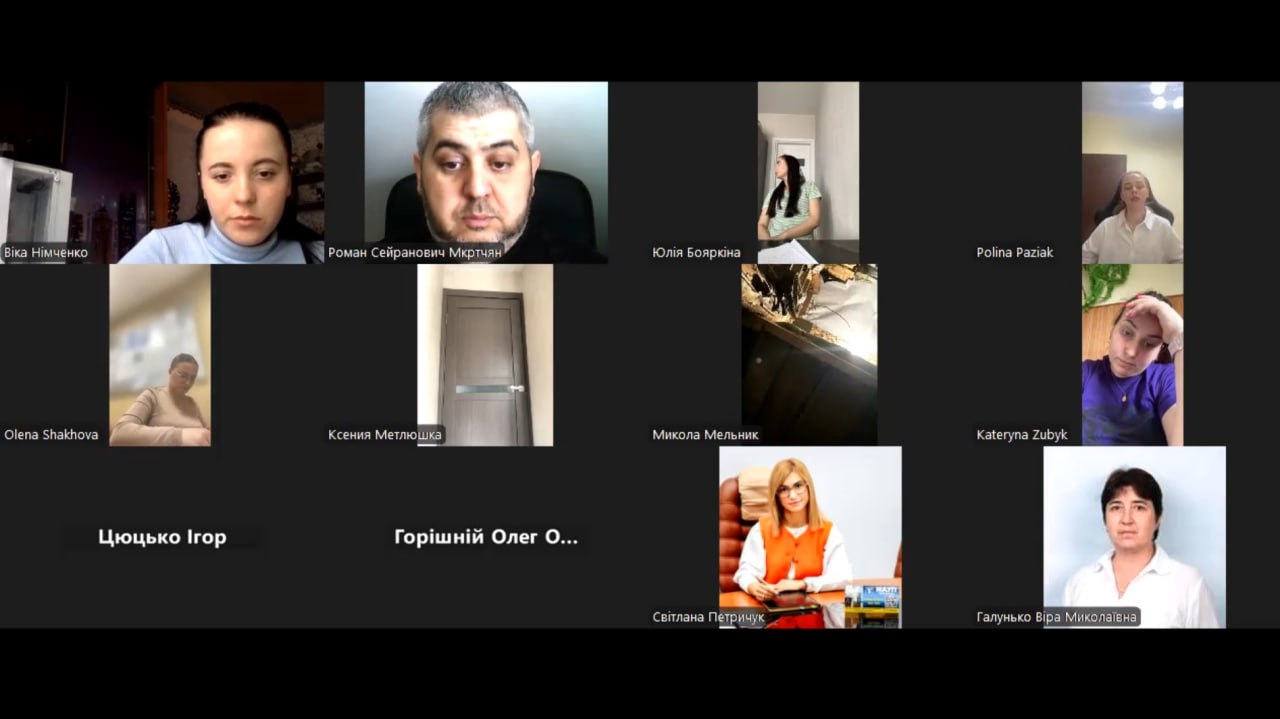 The third day of the law course was dedicated to administrative law and the role of the state in regulating relationships between government authorities and citizens. Students examined key aspects of administrative offenses, administrative court procedures, and the importance of respecting citizens’ rights when interacting with state bodies.