Day 5: Criminal Law – Fundamentals of Criminal Liability
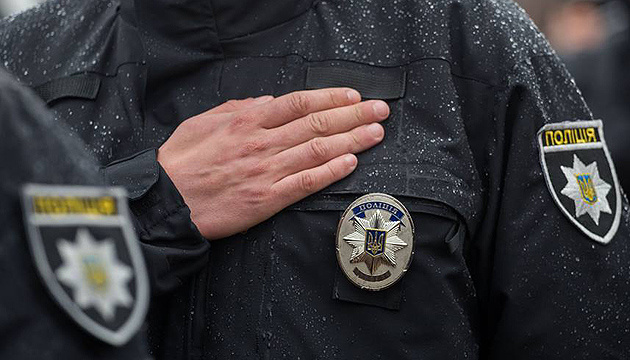 The fifth day of the course was dedicated to criminal law, specifically the fundamentals of criminal liability. Students studied the general provisions of criminal law, the principles of criminal responsibility, and the types of punishments for committed crimes. An important part of the lecture was familiarizing students with the specifics of criminal proceedings in Ukraine, especially during wartime and in frontline regions.
Guest Speakers of the Day:
-
Oleksandr Oleksandrovych Stadnik, Police Captain of the Kherson Regional Police, shared his experience working in a frontline city like Kherson.
-
Tetiana Viktorivna Stadnik, Investigator of the Kherson Regional Police, discussed the specifics of investigating crimes during martial law and providing legal assistance to residents of frontline territories.
Key Points of the Lecture:
Fundamentals of Criminal Liability
The speakers began with the basics of criminal responsibility, explaining what constitutes a crime and who bears responsibility for committing criminal offenses. They clarified how criminal punishments are determined and discussed the principles of guilt and proportionality of punishment relative to the offense.
Types of Criminal Offenses
The lecturers examined different types of criminal offenses in detail, including serious and moderate crimes, their classification, and corresponding liability. Students gained a clear understanding of crime classification in Ukraine.
Features of the Criminal Process
Key stages of the criminal process were discussed, from investigating a crime to delivering a verdict. Oleksandr Oleksandrovych shared practical aspects of police work during the detention of suspects and evidence collection.
Criminal Liability in Wartime
Tetiana Viktorivna explained the specifics of investigating crimes under wartime conditions, particularly in frontline zones such as Kherson. She emphasized the importance of investigating war crimes and human rights violations.
Law Enforcement in a Frontline City
Both speakers highlighted the challenges of working in a frontline region. They discussed difficulties such as shelling, evacuation of civilians, and organizing law and order under constant threats.
Student Questions:
-
How does criminal legislation change under martial law?
Oleksandr Oleksandrovych explained that special rules are applied during martial law to ensure citizens’ safety and law and order. This includes accelerated crime investigations and secure handling of war crimes investigations. -
What are the main difficulties in investigating crimes in frontline zones?
Tetiana Viktorivna noted that key challenges include damaged property, the absence of witnesses due to mass evacuation, and constant shelling that hinders the execution of duties. -
How can citizens protect their rights when law enforcement cannot operate due to shelling?
Oleksandr Oleksandrovych advised that it is important to report violations to judicial authorities when conditions stabilize and document human rights violations via available channels, such as online submissions or appeals to international organizations. -
What should one do if they become a victim of a crime and the police cannot reach the scene due to safety concerns?
Tetiana Viktorivna recommended carefully documenting all evidence (photos, videos) and contacting human rights organizations for further protection. -
Which changes in criminal law are most important for residents of frontline territories?
The lecturers emphasized the importance of adapting criminal legislation to protect citizens from war-related violations, such as looting, violence, and other war crimes.
Practical Part:
After the lecture, students analyzed specific criminal cases related to violations during wartime and worked in groups on practical exercises to identify types of criminal offenses and corresponding liability.
This day helped students understand how criminal law operates in real wartime conditions, especially in frontline zones, and how law enforcement agencies maintain law and order under challenging circumstances.
" /> [/if {option-img}=true]The fifth day of the course was dedicated to criminal law, specifically the fundamentals of criminal liability. Students studied the general provisions of criminal law, the principles of criminal responsibility, and the types of punishments for committed crimes. An important part of the lecture was familiarizing students with the specifics of criminal proceedings in Ukraine, especially during wartime and in frontline regions.
Guest Speakers of the Day:
-
Oleksandr Oleksandrovych Stadnik, Police Captain of the Kherson Regional Police, shared his experience working in a frontline city like Kherson.
-
Tetiana Viktorivna Stadnik, Investigator of the Kherson Regional Police, discussed the specifics of investigating crimes during martial law and providing legal assistance to residents of frontline territories.
Key Points of the Lecture:
Fundamentals of Criminal Liability
The speakers began with the basics of criminal responsibility, explaining what constitutes a crime and who bears responsibility for committing criminal offenses. They clarified how criminal punishments are determined and discussed the principles of guilt and proportionality of punishment relative to the offense.
Types of Criminal Offenses
The lecturers examined different types of criminal offenses in detail, including serious and moderate crimes, their classification, and corresponding liability. Students gained a clear understanding of crime classification in Ukraine.
Features of the Criminal Process
Key stages of the criminal process were discussed, from investigating a crime to delivering a verdict. Oleksandr Oleksandrovych shared practical aspects of police work during the detention of suspects and evidence collection.
Criminal Liability in Wartime
Tetiana Viktorivna explained the specifics of investigating crimes under wartime conditions, particularly in frontline zones such as Kherson. She emphasized the importance of investigating war crimes and human rights violations.
Law Enforcement in a Frontline City
Both speakers highlighted the challenges of working in a frontline region. They discussed difficulties such as shelling, evacuation of civilians, and organizing law and order under constant threats.
Student Questions:
-
How does criminal legislation change under martial law?
Oleksandr Oleksandrovych explained that special rules are applied during martial law to ensure citizens’ safety and law and order. This includes accelerated crime investigations and secure handling of war crimes investigations. -
What are the main difficulties in investigating crimes in frontline zones?
Tetiana Viktorivna noted that key challenges include damaged property, the absence of witnesses due to mass evacuation, and constant shelling that hinders the execution of duties. -
How can citizens protect their rights when law enforcement cannot operate due to shelling?
Oleksandr Oleksandrovych advised that it is important to report violations to judicial authorities when conditions stabilize and document human rights violations via available channels, such as online submissions or appeals to international organizations. -
What should one do if they become a victim of a crime and the police cannot reach the scene due to safety concerns?
Tetiana Viktorivna recommended carefully documenting all evidence (photos, videos) and contacting human rights organizations for further protection. -
Which changes in criminal law are most important for residents of frontline territories?
The lecturers emphasized the importance of adapting criminal legislation to protect citizens from war-related violations, such as looting, violence, and other war crimes.
Practical Part:
After the lecture, students analyzed specific criminal cases related to violations during wartime and worked in groups on practical exercises to identify types of criminal offenses and corresponding liability.
This day helped students understand how criminal law operates in real wartime conditions, especially in frontline zones, and how law enforcement agencies maintain law and order under challenging circumstances.