Summary of Law Week at Kherson Institute of MAUP
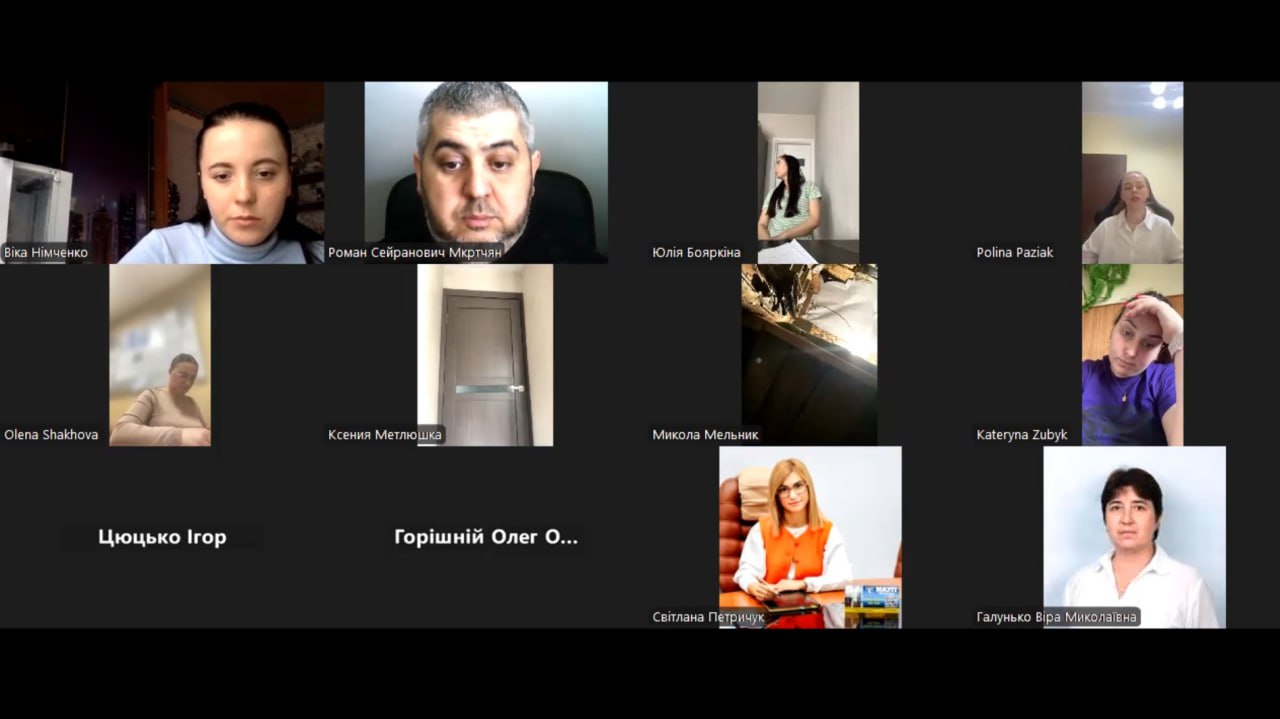 Weekly results of law studies
Over the course of five days, students of the "Law" program had the opportunity to immerse themselves in the fundamentals of various branches of law, including criminal, civil, administrative, and constitutional law. Each day was dedicated to a specific topic, allowing students to gain a deeper understanding of the particularities and features of each field.
Day 1: Criminal Law
The first day was dedicated to criminal law. Students became familiar with the main provisions of criminal legislation, principles of criminal liability, and types of punishments. Real cases were discussed to help understand the practical application of criminal law norms.
Day 2: Civil Law
The second day focused on civil law. Discussions covered issues related to the conclusion and execution of civil contracts, protection of civil rights and interests, and liability for violations of civil obligations. Students also learned about recent changes in civil legislation and their impact on law enforcement practice.
Day 3: Administrative Law
The third day was devoted to administrative law. Students studied the main principles of the administrative process, powers of executive authorities, and the rights and duties of citizens in public administration. They also discussed current issues of administrative liability and its practical application.
Day 4: Constitutional Law
The fourth day focused on constitutional law. Students reviewed the main provisions of the Constitution of Ukraine, principles of the constitutional system, and the role of the Constitutional Court of Ukraine in ensuring the rule of law. Questions of constitutional control and protection of citizens’ constitutional rights and freedoms were also examined.
Day 5: Summary and Awards
The fifth day was the concluding one. Students presented their research on selected topics, discussed the knowledge gained, and shared their impressions of the course. The following students were awarded for their active participation and achievements:
-
Dmytro Zaychenko — for outstanding achievements in constitutional law.
-
Diana Oleksiievets — for active participation in administrative law discussions.
-
Valentyna Orlenko — for deep understanding of criminal law issues.
-
Mykyta Ukhov — for excellent results in civil law research.
-
Polina Paziak — for initiative and leadership skills during practical sessions.
Guest Speakers
At the conclusion of the course, several distinguished guests visited the students:
-
Oleksandr Oleksandrovych Stadnik, Police Captain of the Kherson Regional Police, shared his experience working in the frontline city of Kherson.
-
Tetiana Viktorivna Stadnik, investigator of the Kherson Regional Police, discussed the specifics of investigating crimes under martial law.
-
Serhii Mykolayovych, Doctor of Law, Professor of Civil Law, author of numerous works in civil law and judicial practice.
-
Iryna Oleksiivna, Head of Department at the State Registration Service, spoke about property rights registration and other important aspects of civil law.
-
Iryna Pavlivna, Doctor of Law, Professor of Administrative Law, author of numerous scientific works in administrative law.
-
Vladyslav Andriyevych, representative of the Ministry of Justice of Ukraine, Head of the Human Rights Department, shared practical experience in protecting citizens' rights in administrative offenses.
-
Olena Ivanivna, Doctor of Law, Professor of Constitutional Law, author of multiple articles and monographs on constitutional law.
-
Oleksandr Mykolayovych, representative of the Constitutional Court of Ukraine, judge, shared practical experience on interpretation and application of constitutional provisions.
Discussion and Student Questions
After the guest speeches, students had the opportunity to ask questions and discuss what they had heard. Key questions included:
-
How is criminal legislation changing under martial law?
-
What are the main challenges in investigating crimes in frontline zones?
-
How can one protect their rights when law enforcement cannot operate due to shelling?
-
What should one do if they become a victim of a war crime?
-
How are court decisions enforced in administrative law?
-
What are the main principles of constitutional control in Ukraine?
-
How is the Constitution interpreted in the practice of the Constitutional Court?
-
What are the prospects for the development of constitutional law in Ukraine in the coming years?
Weekly Conclusions
In summary, students gained a comprehensive understanding of the key branches of law, their principles, and practical application. Each day provided new knowledge and challenges, contributing to a thorough and practical grasp of legal studies.
Weekly results of law studies
Over the course of five days, students of the "Law" program had the opportunity to immerse themselves in the fundamentals of various branches of law, including criminal, civil, administrative, and constitutional law. Each day was dedicated to a specific topic, allowing students to gain a deeper understanding of the particularities and features of each field.
Day 1: Criminal Law
The first day was dedicated to criminal law. Students became familiar with the main provisions of criminal legislation, principles of criminal liability, and types of punishments. Real cases were discussed to help understand the practical application of criminal law norms.
Day 2: Civil Law
The second day focused on civil law. Discussions covered issues related to the conclusion and execution of civil contracts, protection of civil rights and interests, and liability for violations of civil obligations. Students also learned about recent changes in civil legislation and their impact on law enforcement practice.
Day 3: Administrative Law
The third day was devoted to administrative law. Students studied the main principles of the administrative process, powers of executive authorities, and the rights and duties of citizens in public administration. They also discussed current issues of administrative liability and its practical application.
Day 4: Constitutional Law
The fourth day focused on constitutional law. Students reviewed the main provisions of the Constitution of Ukraine, principles of the constitutional system, and the role of the Constitutional Court of Ukraine in ensuring the rule of law. Questions of constitutional control and protection of citizens’ constitutional rights and freedoms were also examined.
Day 5: Summary and Awards
The fifth day was the concluding one. Students presented their research on selected topics, discussed the knowledge gained, and shared their impressions of the course. The following students were awarded for their active participation and achievements:
-
Dmytro Zaychenko — for outstanding achievements in constitutional law.
-
Diana Oleksiievets — for active participation in administrative law discussions.
-
Valentyna Orlenko — for deep understanding of criminal law issues.
-
Mykyta Ukhov — for excellent results in civil law research.
-
Polina Paziak — for initiative and leadership skills during practical sessions.
Guest Speakers
At the conclusion of the course, several distinguished guests visited the students:
-
Oleksandr Oleksandrovych Stadnik, Police Captain of the Kherson Regional Police, shared his experience working in the frontline city of Kherson.
-
Tetiana Viktorivna Stadnik, investigator of the Kherson Regional Police, discussed the specifics of investigating crimes under martial law.
-
Serhii Mykolayovych, Doctor of Law, Professor of Civil Law, author of numerous works in civil law and judicial practice.
-
Iryna Oleksiivna, Head of Department at the State Registration Service, spoke about property rights registration and other important aspects of civil law.
-
Iryna Pavlivna, Doctor of Law, Professor of Administrative Law, author of numerous scientific works in administrative law.
-
Vladyslav Andriyevych, representative of the Ministry of Justice of Ukraine, Head of the Human Rights Department, shared practical experience in protecting citizens' rights in administrative offenses.
-
Olena Ivanivna, Doctor of Law, Professor of Constitutional Law, author of multiple articles and monographs on constitutional law.
-
Oleksandr Mykolayovych, representative of the Constitutional Court of Ukraine, judge, shared practical experience on interpretation and application of constitutional provisions.
Discussion and Student Questions
After the guest speeches, students had the opportunity to ask questions and discuss what they had heard. Key questions included:
-
How is criminal legislation changing under martial law?
-
What are the main challenges in investigating crimes in frontline zones?
-
How can one protect their rights when law enforcement cannot operate due to shelling?
-
What should one do if they become a victim of a war crime?
-
How are court decisions enforced in administrative law?
-
What are the main principles of constitutional control in Ukraine?
-
How is the Constitution interpreted in the practice of the Constitutional Court?
-
What are the prospects for the development of constitutional law in Ukraine in the coming years?
Weekly Conclusions
In summary, students gained a comprehensive understanding of the key branches of law, their principles, and practical application. Each day provided new knowledge and challenges, contributing to a thorough and practical grasp of legal studies.